

The Church Buildings for Collaborative Partnerships project (CBCP) first took shape during the spring of 2020, when every Episcopal church building in the state of Indiana was closed for worship. While countless Christians around the world were learning how to be church without gathering in the same physical space, the Diocese of Indianapolis partnered with the Diocese of Northern Indiana, Partners for Sacred Places, and Indiana Landmarks to think big about what it would be like for churches to use the buildings they have been blessed with differently and creatively, sharing their spaces with other people and organizations with compatible missions, for the benefit of the wider community.
Over the first three years of the project, lay and clergy leaders from 73 congregations in both dioceses participated. Programmatic elements included:
- Education about the role churches and their buildings play in their communities (especially their economic value)
- Theological reflection about the meaning of our buildings and our obligations of stewardship
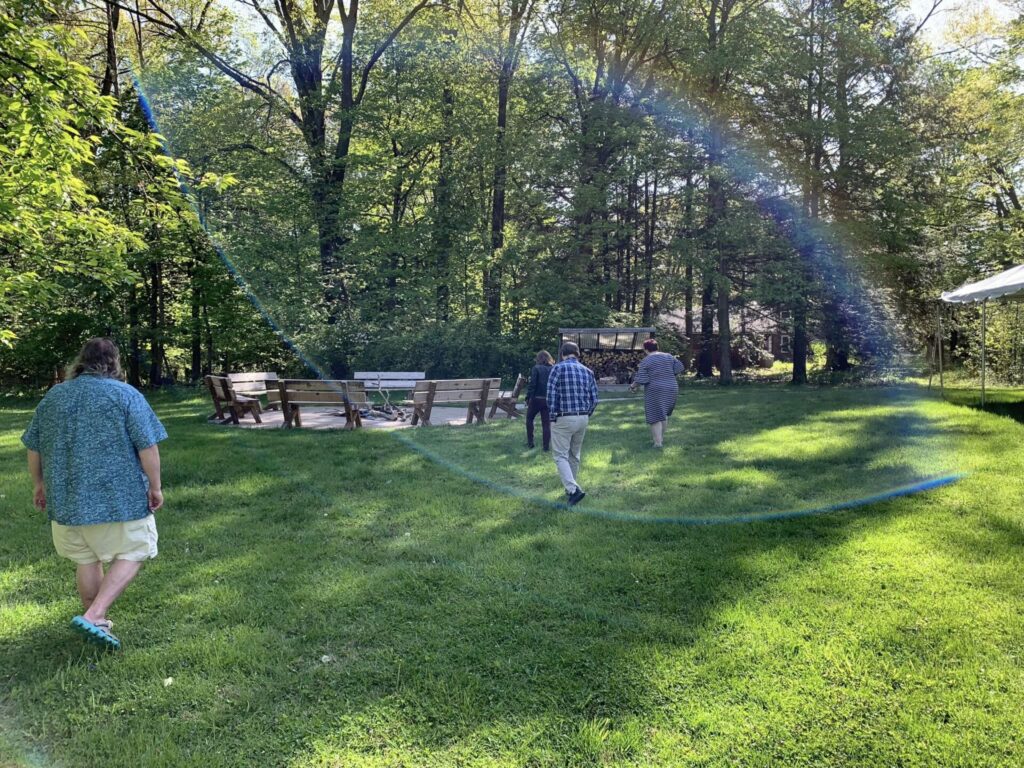
- Site visits where staff from Indiana Landmarks and Partners for Sacred Places joined congregational teams and invited community members at each participating congregation to explore the building, while looking for spaces where the life of the congregation and the life of the community intersect.
Testimonies
Rebecca Nickel, priest-in-charge of St. Timothy’s, Indianapolis, says the site visit shifted the culture of the way members of the congregation value the church building: “Outsiders said, ‘what a gem you have’ and noticed the beauty and value of our property. The praise from the Indiana Landmarks folks made a powerful impression. The culture is starting to believe and live out of abundance, and the CBCP process helped that happen.”
At St. Stephen’s, New Harmony, CBCP Team member Linda Warrum said: “CBCP gave us the ability to introduce ourselves and brought people together to see our facility. We always thought our space had potential but after the Site Visit, the ideas for use with others were astonishing. Through CBCP we have learned the need for partnership and that looking our best is essential to our success.” St. Stephen’s also learned how leaving their doors unlocked benefits New Harmony. One participant in the site visit reflected on how the quiet of the space helped him find peace following the death of a loved one. While another participant related the contemplative experience of being in the church late at night.
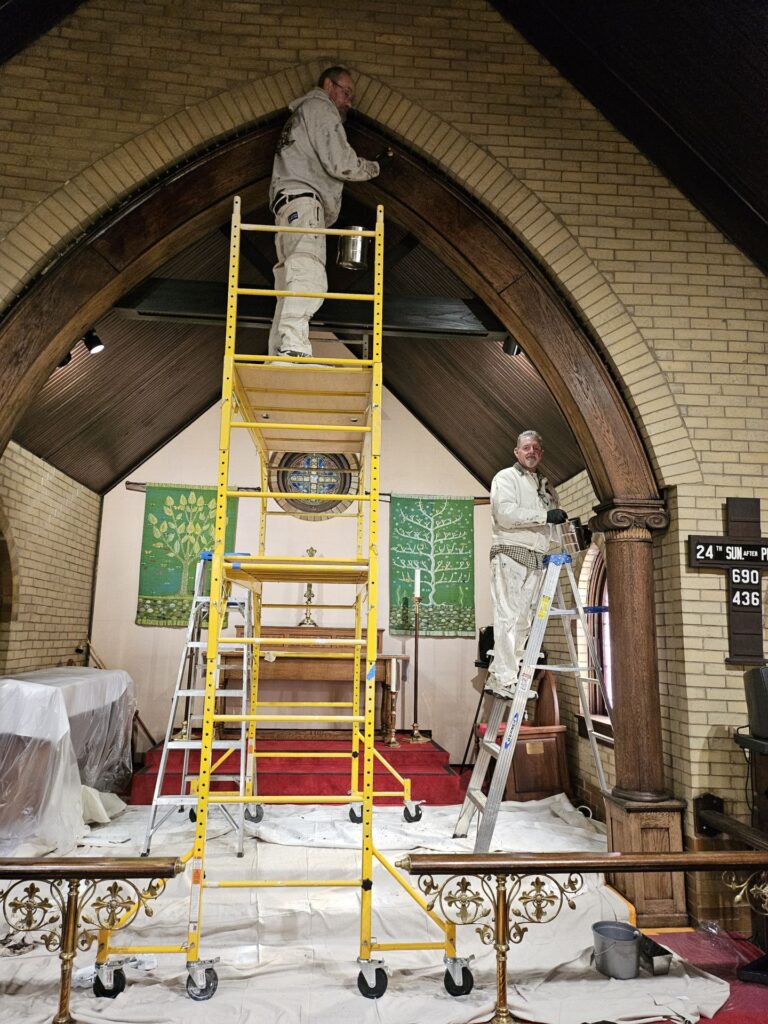
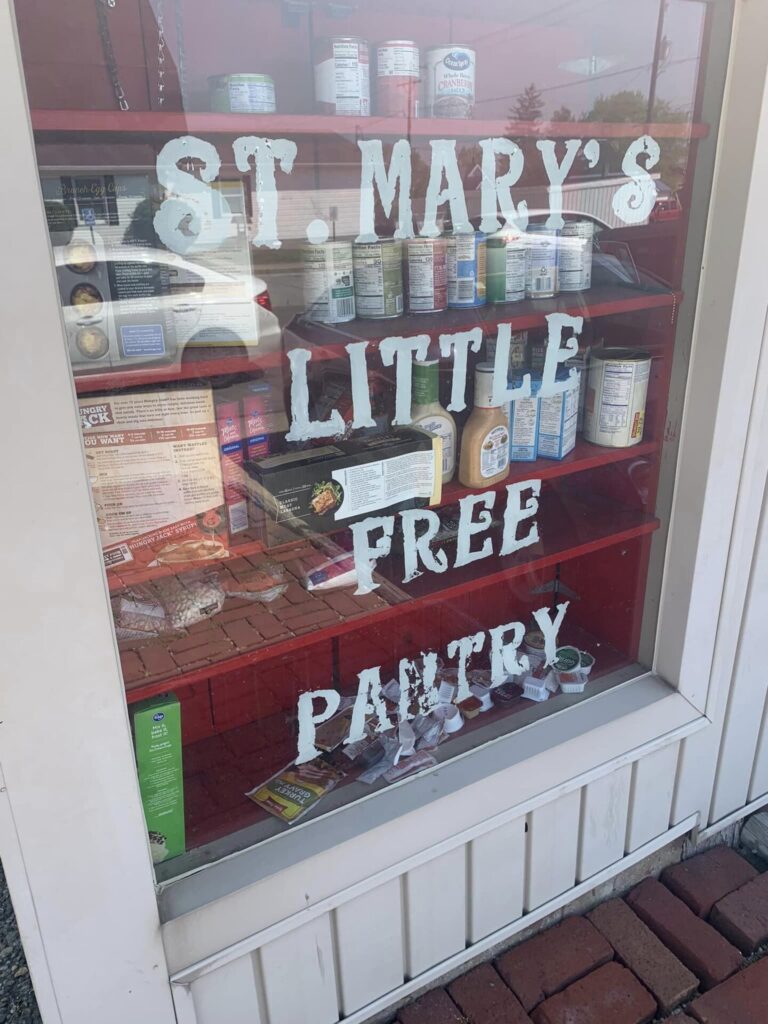
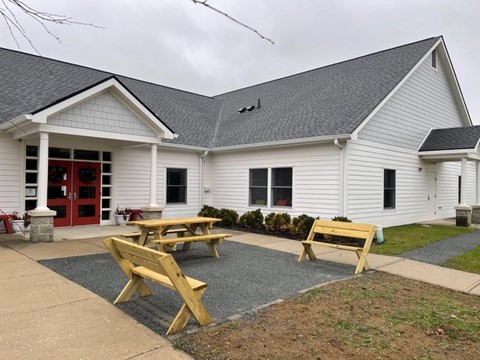
Small-scale capital grants have also helped congregations foster new connections, by making modest improvements to better prepare their spaces for guests.
In New Albany, Allan Wallace, rector of St. Paul’s, reported on what is happening with the stately mansion on its property, once upgrades funded by a CBCP capital grant are complete: “We have secured a non-profit partnership who will rent two of the five rooms upstairs. Project Recovery not only aligns with our mission and values, but they will serve much of the same population as our Shepherd’s Kitchen feeding ministries.”
At St. John’s, Bedford, new lock hardware, handles, card reader and an access control panel for keypad entry will support the congregation’s vision to be a safe space for LGBTQ+ youth. This will allow strategic connections with community partners that use the space on various days and hours.
Church Buildings for Collaborative Partnerships 2
As the project enters a new phase, there will be meaningful changes to the project leaders’ approach. Because participation was mandatory for congregations in both dioceses, and because each of the four training cohorts consisted of 12-23 congregations, programming took a one-size-fits-all approach that did not serve large congregations with multiple staff or very small congregations with overstretched leaders as well as was hoped.
Going forward, participation will be voluntary, and resources will be customized to a congregation’s particular calling, capacity, and needs. Bishop Jennifer and her staff expect to reach out to encourage congregations who have potential they may not see in themselves to consider joining. For more information about how CBCP can benefit your own congregation, please click here and/or contact Brendan O’Sullivan-Hale, or program director Linda Buskirk.
